

Grid-Tied Peak-Shaving Customization
grid-tied microgrid engineering targeting demand charges and time-of-use tariffs for factories, industrial parks and retail complexes with high demand charges.

Peak shaving customization: one battery, three lines of value
Commercial electricity bills normally combine an energy charge with a demand (capacity) charge, then add critical-peak uplifts. Storage earns its keep three ways: shaving the monthly peak demand, moving energy from expensive to cheap hours, and holding up critical load in milliseconds when the utility dips. Our job is to size power and capacity against your real load shape and local tariff, then write those rules into the EMS as an executable schedule.
- 20%–40%Typical reduction in billed maximum demand
- 4–6 yearsStatic payback where tariffs cooperate
- 1–2 cycles/dayCommon cycling strategy
- below 20 msSupport during a supply disturbance
1. Where the return comes from
Looking only at the peak/valley spread understates the project; demand control alone misses arbitrage. The three orientations below are rarely equal.
Arbitrage only
Buy low, sell high in your own bill.
- Fit: wide peak/valley spread, load well aligned with tariff windows
- Risk: depends on policy, consumes the most battery cycles
Demand control only
Push down the highest 15-minute average.
- Fit: short sharp peaks (injection moulding, stamping, compressors)
- Risk: high power, short duration, so capacity utilization stays low
Combined
The optimum for most sites.
- Same asset shaves demand and discharges in peak hours
- EMS selects the day's strategy from a load forecast
- Adds ride-through, avoiding short-interruption losses
2. Six capabilities that decide payback
Forecast and track the 15-minute window
Estimate running demand in real time and pre-discharge ahead of a known inrush, rather than reacting after the peak has already been recorded.
SOC schedules and reserve floors
Generate separate SOC curves by season and day type and reserve headroom for backup, letting energy arbitrage yield to protection when needed.
Anti-backflow and reactive support
Enable anti-backflow where export is contractually forbidden, and provide kVAr to keep the power-factor penalty off your bill.
Millisecond transfer: storage as an online UPS
Sensitive lines suffer more from short dips than from long outages. Internal transfer performs below 10 ms, external STS below 20 ms — enough for the vast majority of industrial loads.
Coordination with transformer and genset
When the transformer cannot cover a short peak, storage or the genset supplies the difference; where chargers are the cause, storage provides dynamic capacity and defers reinforcement.
Data closure
Daily charge/discharge records are kept in billing units so theoretical and actual savings can be reconciled every month and the strategy refined.
3. Keeping the three accounts separate
Δ demand = peak 15-minute average before − target value after
Practical rule — size power (kW) from the peak you intend to remove, size capacity (kWh) from how long you need to sustain it. Most commercial projects land on two to four hours of discharge.
4. Typical configurations
| Customer | Transformer | PCS power | Storage | Main strategy |
|---|---|---|---|---|
| Small machining / plastics | 630–1250 kVA | 250–500 kW | 500 kWh–1 MWh | Demand control first |
| Medium factory | 1.6–2.5 MVA | 500 kW–1 MW | 1–2 MWh | Demand plus arbitrage |
| Campus / multi-building | 4–10 MVA | 1–3 MW | 2–6 MWh | Multi-transformer coordination |
| Site with charging | As metered peak | 500 kW–2 MW | 1–4 MWh | Dynamic capacity plus managed charging |
5. Recommended platforms
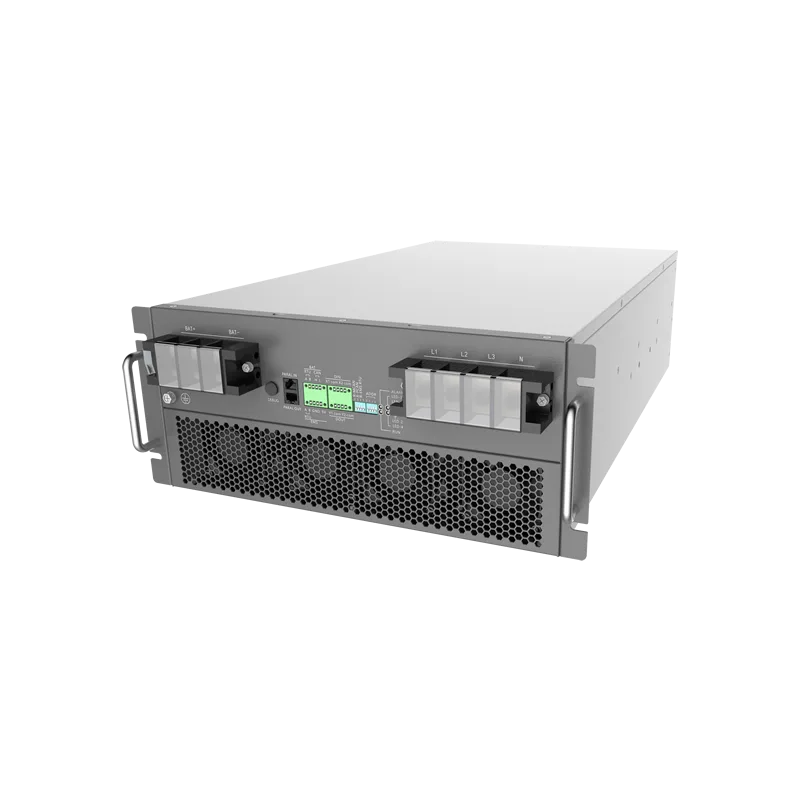
Microgrid storage converter
- Rated power125 kVA
- Transferbelow 10 ms (STS option)
- CouplingDC or AC
- Peak efficiency98.5%
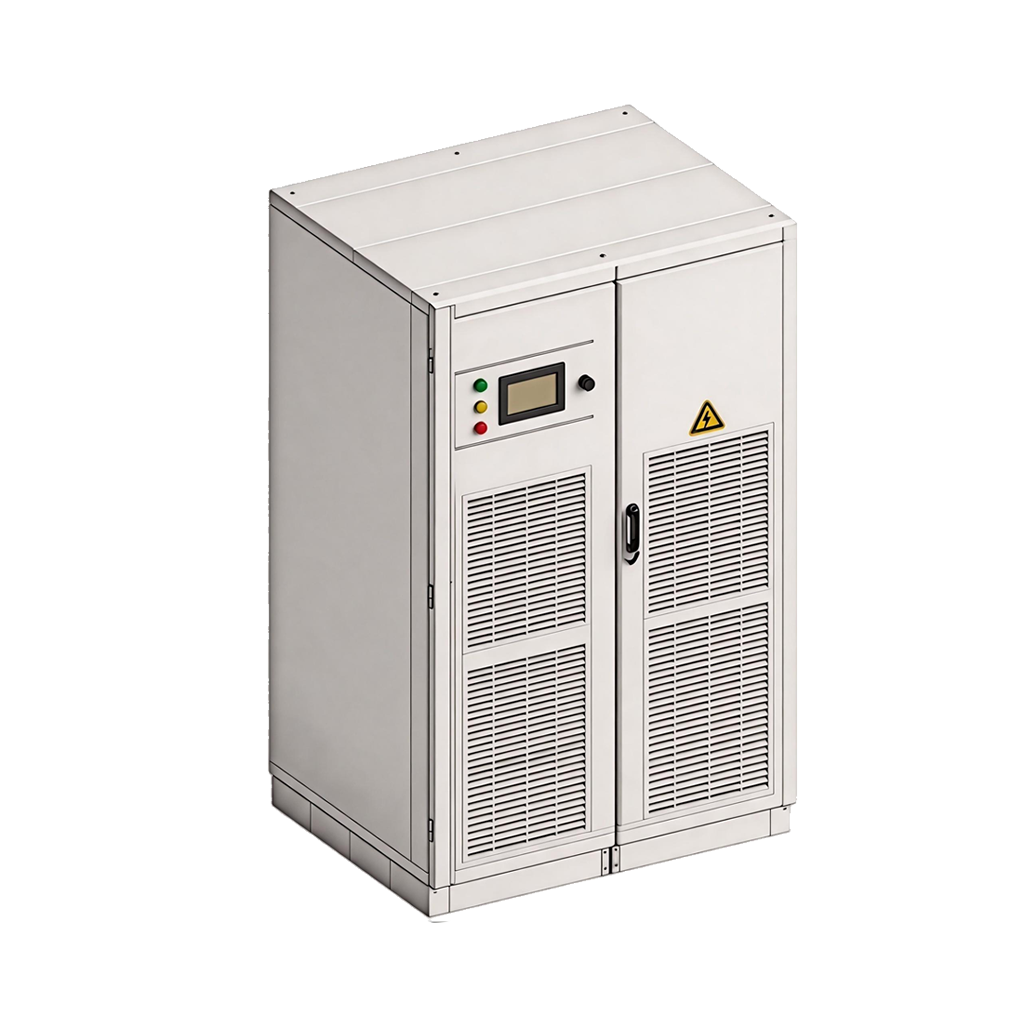
Integrated hybrid cabinet
- IntegrationPCS + MPPT + EMS + distribution
- InterfacesGrid / genset / PV / battery
- ParallelingMultiple units supported
- Use caseFactory shaving and backup

Static transfer switch
- Rated power200 / 400 / 600 kW
- Transfer timebelow 20 ms
- Grid tolerance400 V/230 V, −20% to +15%
- PurposeUninterrupted supply to sensitive feeders
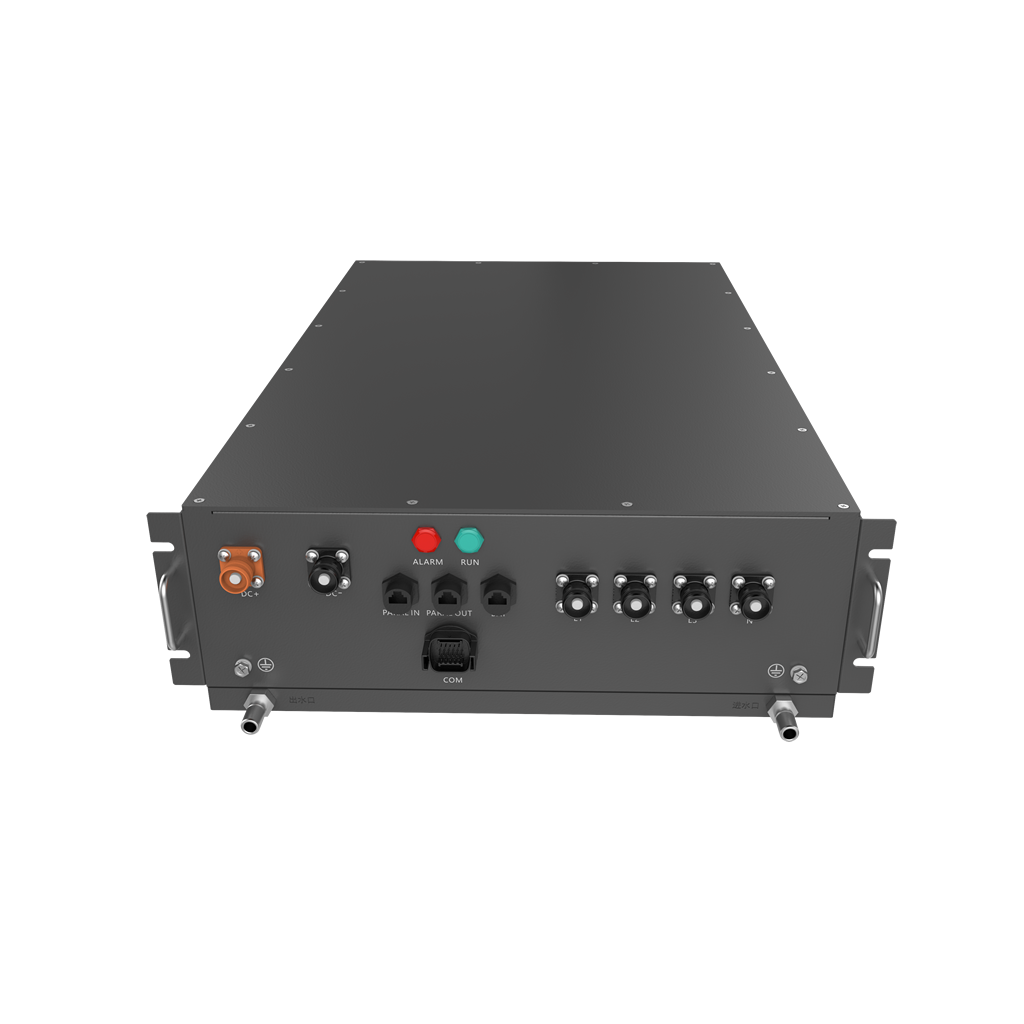
Liquid-cooled storage converter
- Rated power125 kVA
- DC side680–950 V
- CoolingLiquid, suits hot or sealed rooms
- Use casePeak shaving, PV-plus-storage
6. How we run the project
Tariff analysis
Collect twelve months of bills and split energy, demand, power-factor and time-of-use components.
Load analytics
Read the 15-minute curve, identify what creates peaks and when.
Strategy and sizing
Choose the strategy mix, then compare two or three power/capacity options with payback.
Integration design
Connection point, cable routes, cabinet placement, fire provisions.
Install and commission
Full FAT, grid-synchronisation tests and protection settings review.
Operation tuning
Calibrate against the first real bill, then review quarterly.
7. Sites in service


8. Frequently asked
Our bills are unreadable — where do we start?
Send twelve months of PDF bills. We separate demand, energy, power-factor and time-of-use components, then show exactly how much is addressable.
How do we avoid buying capacity we never use?
Power follows the surge you need to remove, capacity follows how long you need to sustain the discharge. Two to four hours covers most commercial cases; extreme short spikes justify high power with small capacity.
Will it interfere with production?
The system parallels the bus, so only a short planned shutdown is needed to connect. In operation the EMS runs automatically and a bypass is available at any time.
Can it double as backup power?
Yes. We reserve emergency SOC for critical loads and pair it with an STS or internal transfer, giving short-interruption continuity proportional to the reserved energy.
Send twelve months of bills and load data
We will break down your tariff and return viable power/capacity options with a static payback calculation.
Request a peak shaving proposalNo products in this category yet — product series are being published. Enquire for the full range.